138. the missing bees

I lied.

In a post a few weeks ago, I waxed poetic about the blooming catalpa tree in the side yard. And I said, “Birds and bees love her”.

This year there were no bees buzzing around the catalpa blossoms.

I know because the hammock is hung on the lowest branch of the giant catalpa tree, and this year, the only hammock hazard was from falling catalpa blossoms. There was no potential problem of a bee sting, because there were no bees.

In a beginning backyard fruit tree orchard, this is not good.

In an effort to see if the bees have really disappeared, we stopped mowing the back yard and let the clover bloom. There actually seems to be more clover in the back yard than grass — perhaps a leftover from when clover was routinely sown between the older apple trees.

And we watched.

Over a period of a week, we saw about ten honey bees in the clover (and five rabbits, ten deer, and a groundhog).

This has become such a worry that Mr. H.C. has actually suggested we buy a hive of bees for next spring.

We’re thinking of buying the hive, the bees, and some supplies, and asking a friend to take care of it the first year, while he is mentoring us. This is quite a step for Mr. H.C. — he actively dislikes bees — though neither of us is allergic to their stings.

It has become a national anxiety about bees. You can read about the issue here and here and here. No one will say exactly what the problem is, but to me, a non-scientific, tree-hugging, crunchy, suspicious-of-all-big-corporations type of person, it is obvious. Pesticides.

Duh. If we spray to get rid of insects, we’re going to get rid of insects, yes?

It’s called Colony Collapse Disorder (CCD for short) and since 2004-2005 beekeepers have reported a loss of bees in their hives from 35 to 90%. What is most mysterious is that rather than finding dead bees around the hive, the bees just disappear. And once I started reading about it, there are several dozen reasons/theories/government plots for the disappearance of the bees. (To be fair, there is a wide range of opinion –some people doubt if the bees are really disappearing and some people think the bees are being abducted by aliens….)

But if you want to be concerned about this issue, consider these points (that are all taken from the above articles.)

  • A full third of the American diet is dependent on pollination, and wild and domestic honeybees are responsible for 80 percent of pollination.
  • About 200,000 species of plants rely on insects and a majority of those rely on bees.
  • Commercial beekeepers are often feeding their bees on high fructose corn syrup, a questionable man-made sugar substance at best; a cancer-and-diabetes-and-obesity causing substance at worst.
  • Not surprisingly perhaps, organic beekeepers have not experienced CCD, leading to speculation that overall greener management practices could be the answer even if direct causes are not determined.
  • If honey bees disappeared, the following crops would be affected: tree fruits — think apples, oranges, pears, lemons; tree nuts — think walnuts, hazelnuts, cashews, almonds;  garden vegetables — tomatoes, beans, squash, cucumbers, onions, pumpkins; alfalfa and clover — think hay for animal feed;  berries of all sorts — straw, blue, cran, black and razz; coffee; cocoa; cotton; flax;  and you can read a much longer list here. (And also to be fair, I must note that we have a bumper crop of raspberries this summer, so something is pollinating the berries.)

So come next spring, we may look like aliens ourselves. But we won’t be abducting bees; we’ll be helping to pollinate catalpa trees.

And apples and peaches,

and cherries and beans,

and pumpkins and peas…
132. The last bowl of walnuts

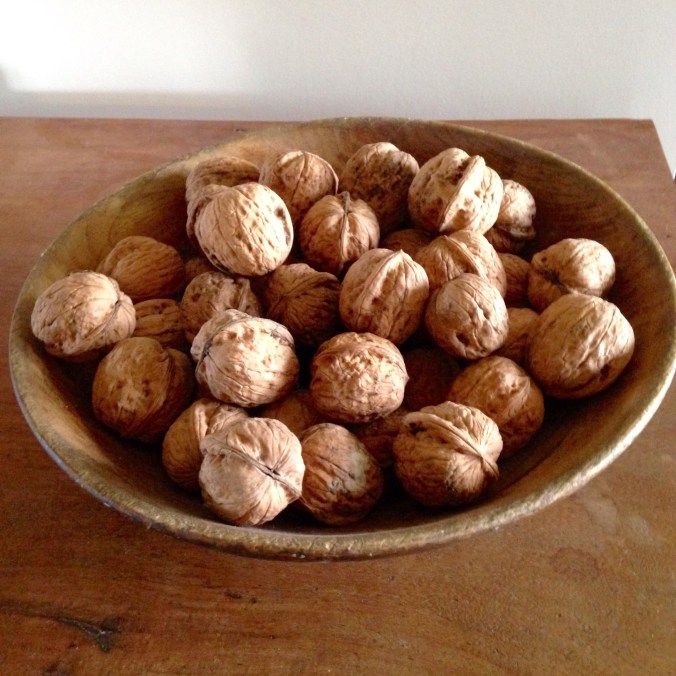
Last year there was not a single walnut on our tree. We are down to our last bowl of walnuts.

After two years of abundant harvests, it was quite disappointing. It had been so nice to look at the bags of walnuts in the grocery store, nod, and think, Yes! I don’t have to pay those prices. And mine are organic.

The unproven theory — put forth by our neighbor — was that a late freeze killed all the buds, but the first-year-peach tree had five delicious peaches on it, and the two trees are within a hundred feet of each other. Seems like a killer frost would have killed those peach buds too.

We’re only beginner backyard orchardists, so we have no answers, but we are checking on that walnut tree every day for signs of blossoms and keeping tabs on the temperature at night.

Walnut tree bud

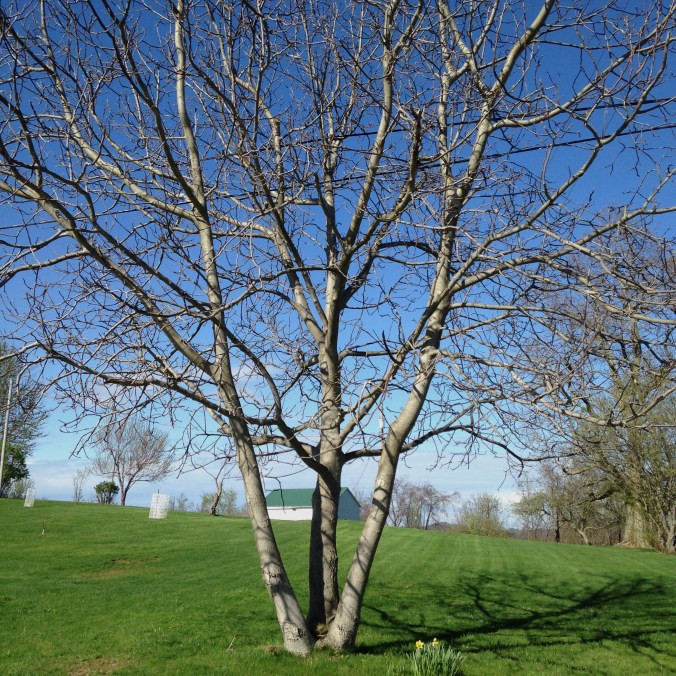
English Walnut trees — also called Persian Walnuts or Carpathian Walnuts (Juglans regia) are not native to Southwestern Pennsylvania, so it isn’t surprising that the harvests might be sporadic. They are commercially grown in this country in California, Oregon, and Washington, and PA’s climate is very dissimilar! Native to Southwestern Asia and Southeastern Europe, every site on the internet assures me that they are cold tolerant to thirty below zero. (It didn’t get that cold this past February, thank goodness.)

English walnut tree
But some optimistic soul planted it, and it’s doing well here in USDA Zone 6A, with abundant harvests two out of the last three years.

The Penn State Extension web site tells me that Juglans regia does not self-pollinate and two varieties are necessary to get nuts. Hmmm. I wonder where those bumper crops came from? We do have several native black walnuts (Juglans nigra) down over the hill in the woods. Perhaps theory two is that the factors for pollination were just not right last year. That same website gives the requirements for pollination: the temperature has to be between 60 and 85 degrees, not windy, not rainy, and not much else blooming. No wonder there weren’t any walnuts last year — it is always windy up here on Apple Hill, and it rains a good bit, too. Today, April 22, it poured rain this morning, the sun is shining now, and it is 44 degrees at 2:00 pm. Not ideal for pollination.

Walnut tree

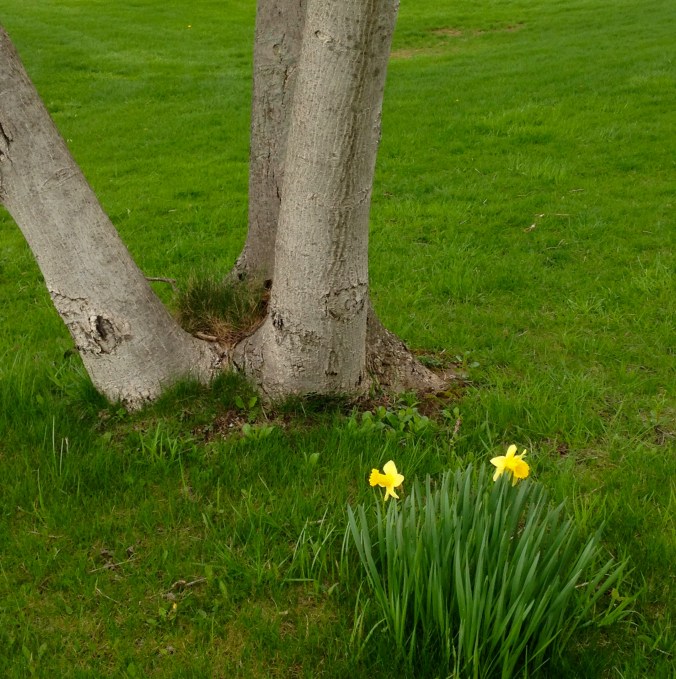
Another site on the Internet tells me that plants don’t like to grow under walnut trees because of a substance they emit called juglone, which is a natural herbicide. These daffodils don’t seem to mind.  And note the grass growing in the middle of the three trunks.

Theory three of the “no nuts last year phenomena” is the seven year cycle of productivity. I might be more inclined to accept this one if there had been just a few walnuts; however, the fact that there was not one nut, nothing, nada, makes me question that theory.

But when I googled seven year cycle of fruit, I got some very interesting results: the story of the seven year cycle ordained by God in Leviticus 25:1-7 — that the land should lay fallow the seventh year — like the weekly Sabbath, the seventh year (or Shemitah year) would be a time of rest for the land and for the agricultural society. They wouldn’t plant; they wouldn’t harvest; the land would lay fallow. Instead, God would provide food miraculously for the people, as He provided manna and meat for them in the desert.

Now, I don’t think that we need to follow the Levitical rules that God laid down for the Hebrews in the Old Testament, but I do believe that God gave humankind those rules for a reason. Does the land need to rest? Absolutely.

Do we need Sabbath rest? Absolutely.

Does the walnut tree need to rest? Hmmm….

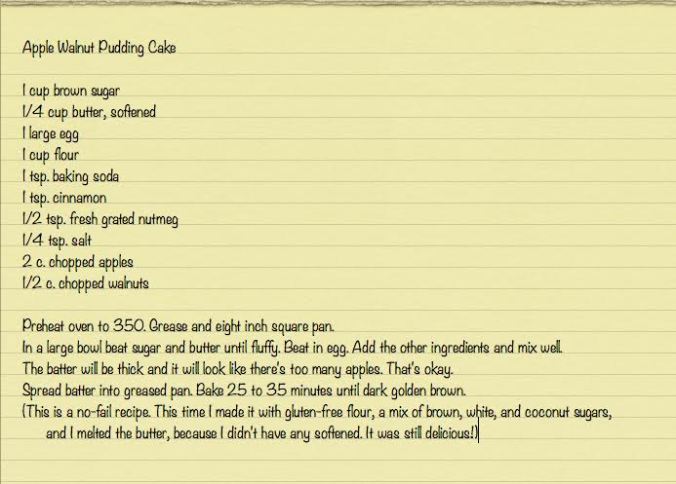
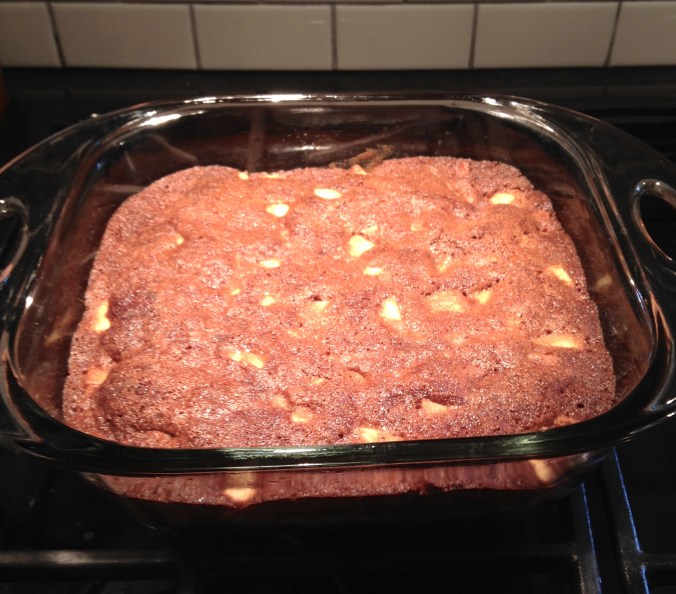
If you’ve followed this rabbit trail of a post this far, you should be rewarded. So though I can’t actually make it for you, I will tell you it’s one of the easiest, best treats ever; you can have it on your plate with a warm mug of tea in under an hour. And it’s heavy on my two favorite ingredients: apples and walnuts. How can you go wrong?

Apples and chopped walnuts

Apple Walnut Pudding Cake

Apple Walnut Pudding Cake

And what better way to use that last bowl of walnuts?

Triumph

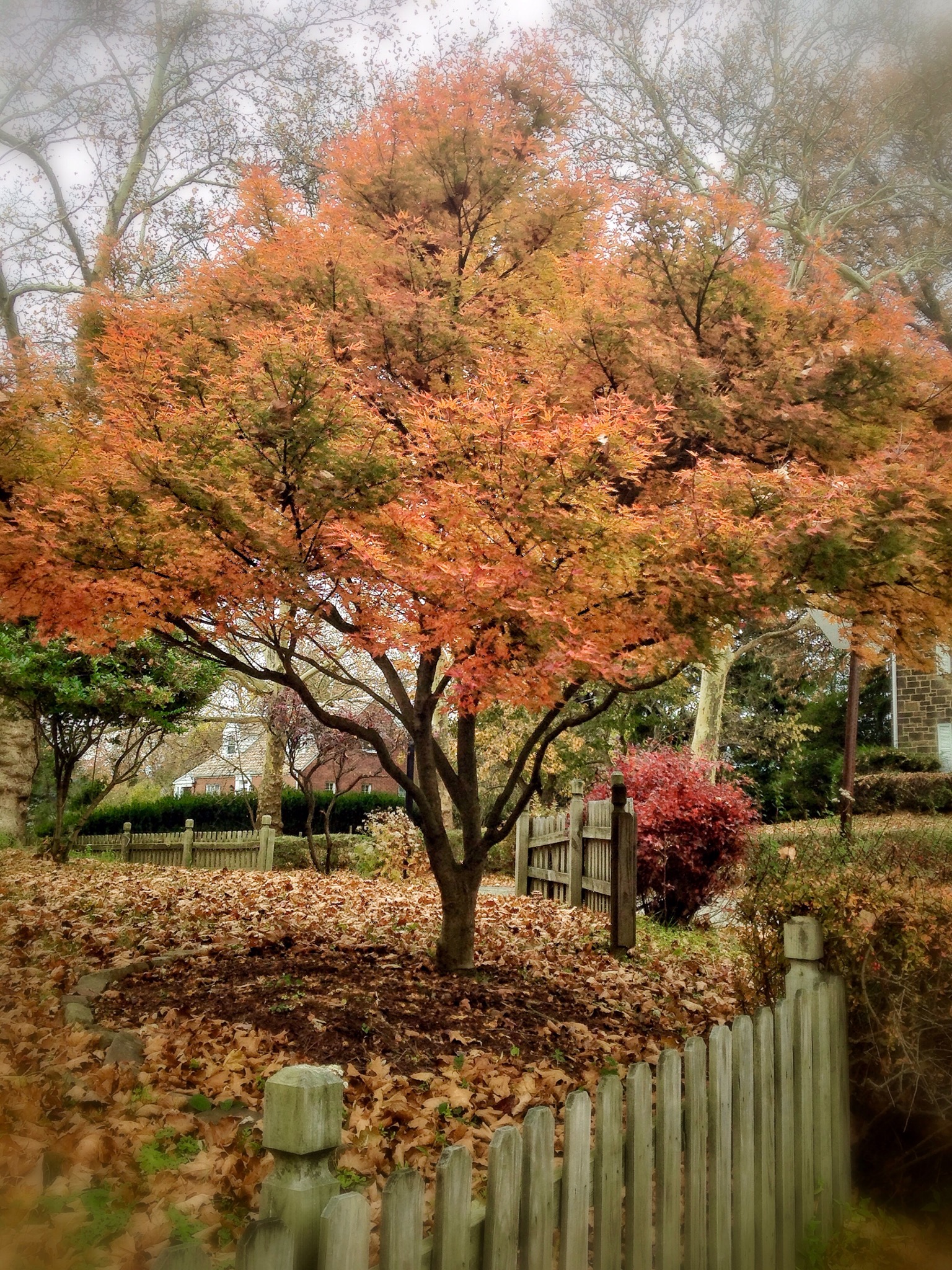
The orange leaves triumph
for but a time;
IMG_4972.JPG
then fall to the ground
to be raked, bagged,
wind blown, composted —
changed.
IMG_5010.JPG

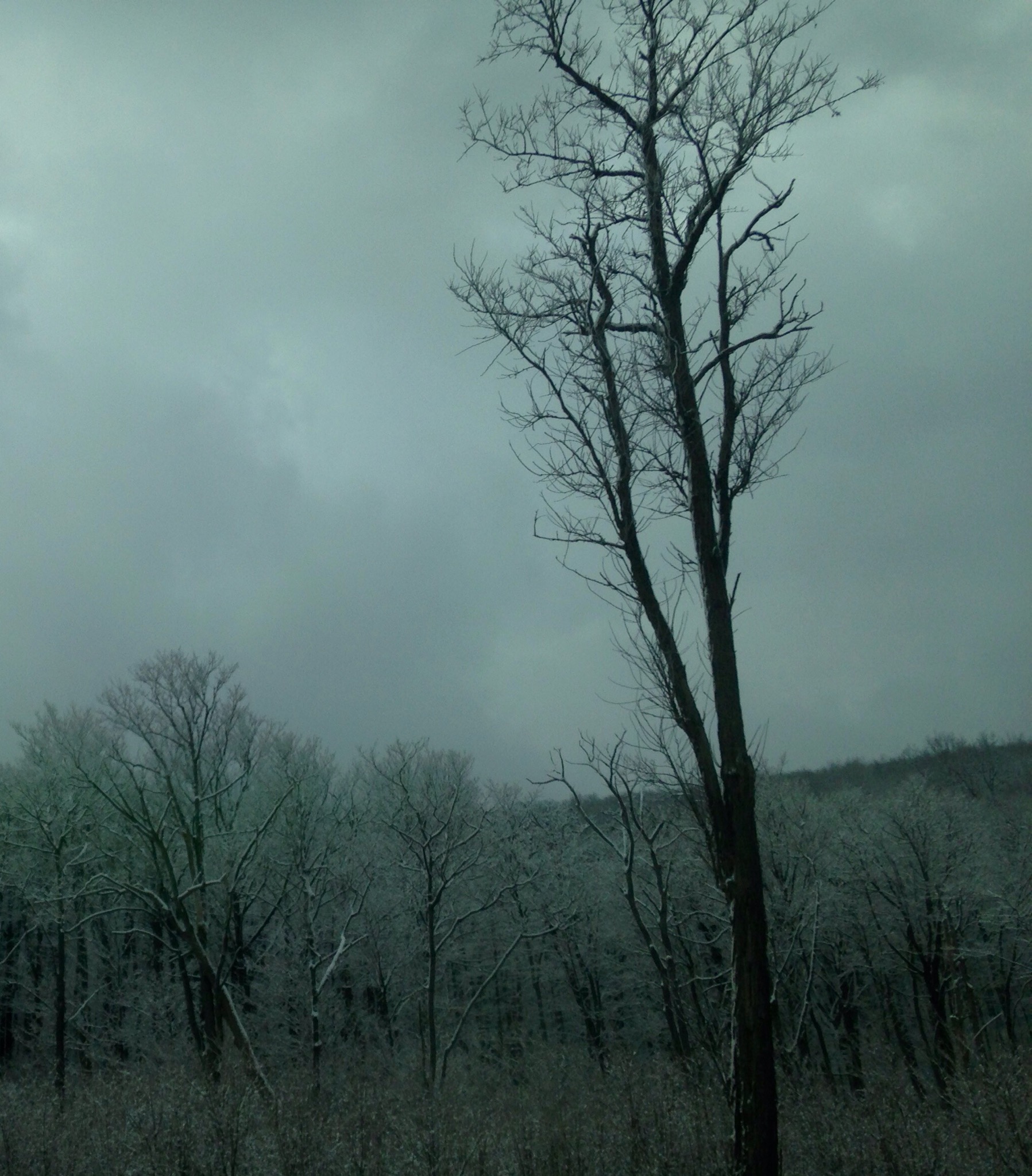
the tree triumphs
for but a time
IMG_5339.JPG
then falls to the ground
to be chopped, burned, planed,
firewood, timber, boards —
changed.
IMG_5324-1.JPG

men, women, you, me,
we triumph for but a time;
IMG_5352-0.JPG
then we fall to the ground,
the way of all life;
ashes to ashes,
dust to dust…
to be mourned, buried,
cremated, interred —
changed…

IMG_4038-0.JPG

but that is not the end.

For God
Triumphs
For all time.

IMG_3770-0.PNG
He rescues us
From dust
and calls us
To live
In Triumph
With Him
Forever.