When I wrote that post Every Day Is Earth Day I thought maybe later I’ll post some DIY recipes that I use all the time. So almost a year and a half has gone by… But today, I actually made a new batch of deodorant. I usually have to make it about 2 or 3 times a year. It’s pretty easy, after you gather the ingredients, and it only takes about 20 minutes. So I took photos. And here’s the recipe.
Homemade Deodorant
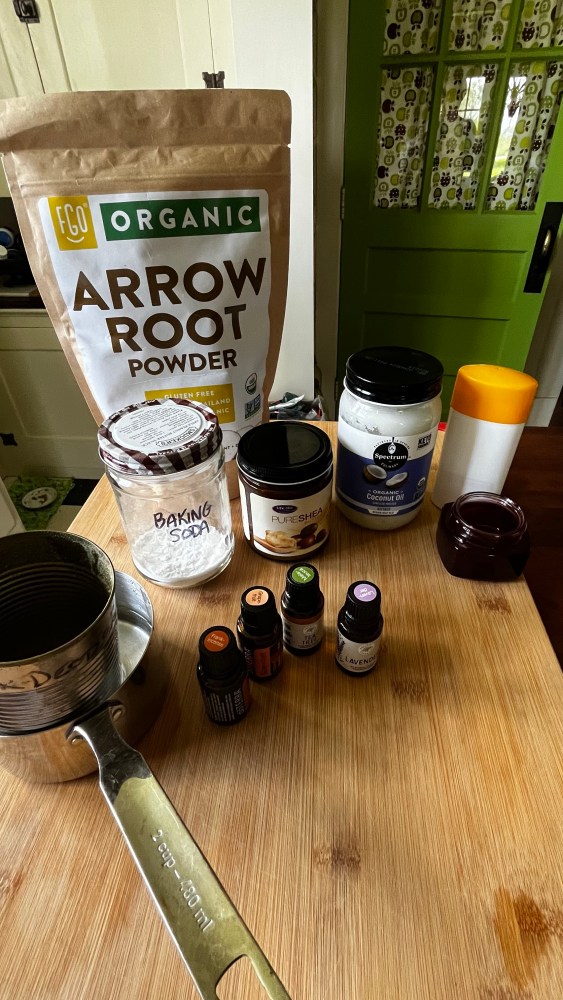
(This recipe is adapted from wellnessmama.com and almost the exact recipe is also here on Revive)

Ingredients:
3 Tbsp Coconut Oil
3 Tbsp Baking Soda
2 Tbsp Shea Butter
1-2 Tbsp grated Bees Wax
2 Tbsp Arrowroot or Cornstarch
Essential Oils (optional, but unless you are allergic to scents, please use them…)
Directions:
1. Melt Shea Butter, Coconut Oil, and Beeswax in a double boiler over medium heat until barely melted; OR use a can instead and place this in a small saucepan of water until melted. I save my can for every time I make deodorant–I store the bees wax chunk in it, and I don’t have to wash it out. When melted together, stir well. You want all the beeswax stirred into the other oils because the beeswax is what will keep it from melting in the heat of summer, or a hot bathroom. (I use a chopstick).
2. Remove from heat and add baking soda and arrowroot.
3. Mix well
4. Add a few drops of essential oil and pour into a glass container for storage. I use an old deodorant container, but be careful. The first time I tried this, I had two old deodorant containers–the first one worked fine and the second leaked out all over the counter. Old face cream jars or half-pint jelly jars work great too.
5. Some good essential oils to use for skin and deodorant purposes include: Tea Tree Oil (sometimes called Melaleuca); Grapefruit; Bergamot; Lavender; and Clary Sage. Some lists also include Rosemary, YlangYlang, and Cypress.
If you refrigerate the deodorant, it will firm up faster. After it is firm, it doesn’t have to be refrigerated.


Laundry Soap
Yep, I make my laundry soap too. I do have to add a caveat here: This laundry soap is not for extra dirty, or hard stained clothing. It works very well for regular wash, and old work clothes that already have paint stains and grease blotches. But on your nice clothes, bad stains have to be pre-treated with something else. Also, I have a top-loader with an agitator, so I can’t address how much soap to use if you have a front-loader.
Here is what you need:

Ingredients:
1/2 cup borax
1/2 cup washing soda
3/4 cup Castile soap
20 drops essential oils (lemon or other citrus, tea tree oil, lavender, and peppermint are all good)
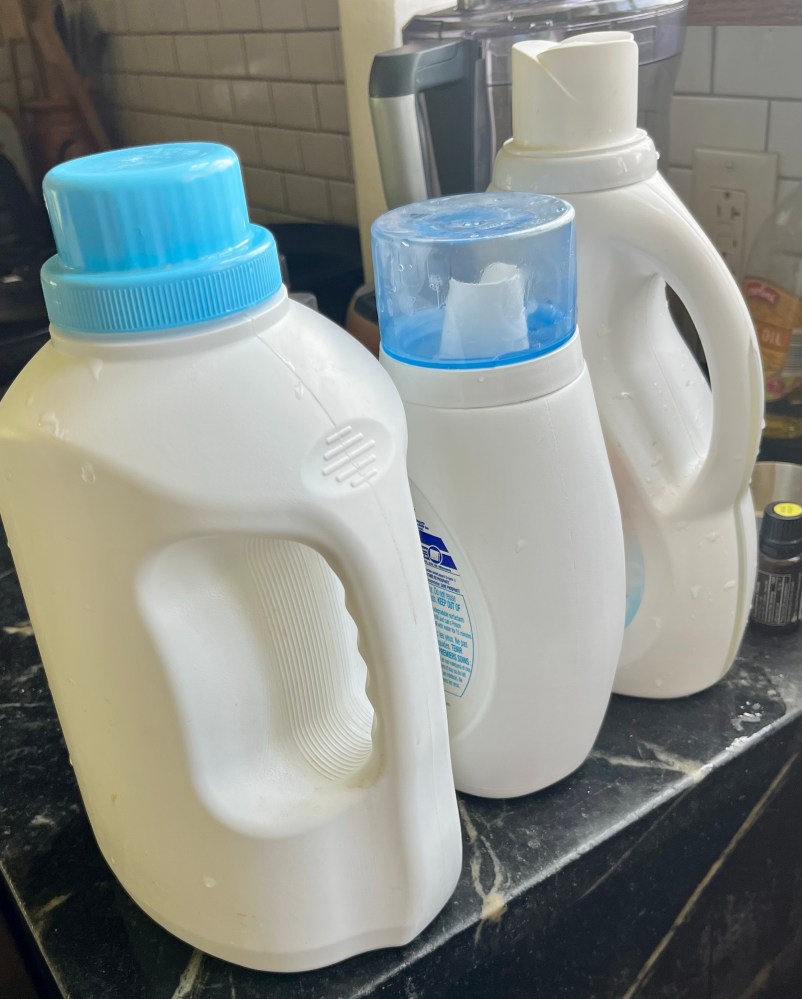
2-gallon bucket, and cleaned out laundry soap containers or clean gallon jugs
- Put the borax and washing soda in the gallon bucket and pour in up to a gallon of hot water to dissolve the powders. Stir around until it is all dissolved. The hotter the water, the faster the powders will dissolve.
- It’s handy if your bucket has hash marks for how may quarts or gallons, but if not, add another half gallon of water and stir around.
- Add the Castile soap at the end, otherwise it will foam too much. Stir gently to mix the soap in with the other liquid.
- Add about 20 drops of your choice of essential oils and stir gently.
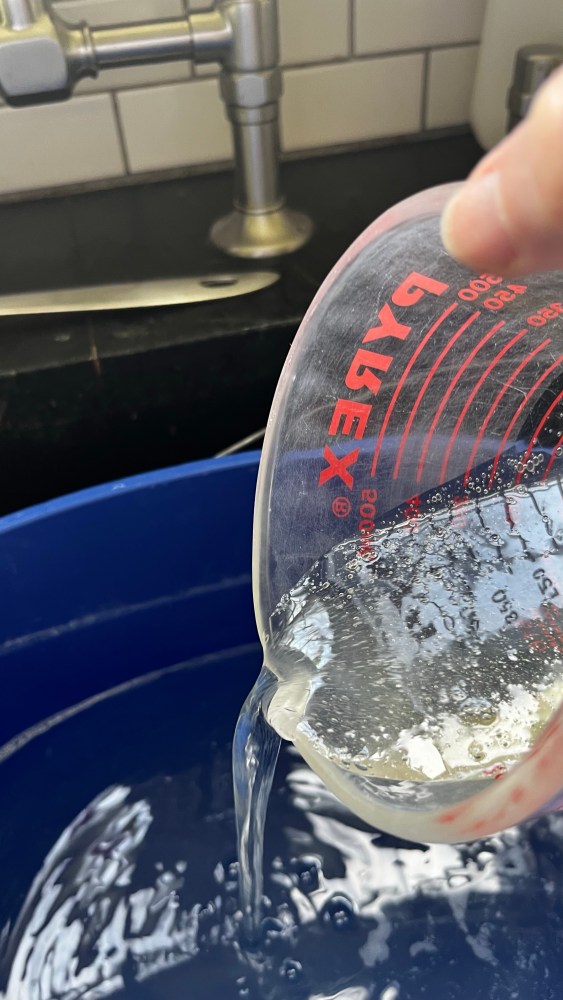
- Use a measuring cup to carefully pour into your waiting laundry jugs.
- (My original recipe called for using 2 gallons of water, but I’ve found that I prefer using less water. I usually end up with about a gallon and a half of liquid soap.) Be sure to shake well before adding to the washer. I usually use the cap of the container for a medium load. This is not a wild, soapy recipe–Castile soap is not known for its sudsiness.

All-purpose Spray Cleanser 1
If you’ve got the stuff for laundry soap, you can use this similar recipe for a spray cleaner…
Ingredients:
1 t. washing soda
2 t. Borax
1 T. Castile soap
2 cups very hot water
10 drops essential oil–Lemon, Orange, or Tea Tree, or a combination
Dissolve the powders in the hot water. Add the Castile soap and the essential oils and pour into a 16 ounce spray bottle.
Spray Cleanser and Degreaser 2
1 cup white vinegar
1 t. Castile soap
1 T. baking soda
3 cups warm water
15-20 drops essential oil–Lemon, Orange, or Tea Tree, or a combination
Mix together and pour into spray bottle. Do not use vinegar on marble. This is good for stovetops, range hoods, tile, sinks, and general cleaning. I have not had success on my oven door though. Nothing seems to clean my oven door….
Right now we are working on the laundry room, so I’m cleaning and reorganizing and throwing stuff out. It might be the last room in the house. Maybe it will be finished enough for photos in a couple of weeks…
 If a person paid attention to “experts” telling you what to eat, there would probably be nothing on your plate but organic greens. With a cup of green tea for dessert. No flours, rice, pasta, or beans because they are dangerous carbs. No red meat, pork, or eggs because of cholesterol. No fish because of mercury; no poultry or dairy because of the hormones fed to the animals; indeed, no animal products at all because of the cruelty of eating animals; fruit is too high in sugar; sugars and fats have been known to cause cancer; tomatoes, peppers, and eggplant are part of the deadly nightshade family… Are you exhausted yet?


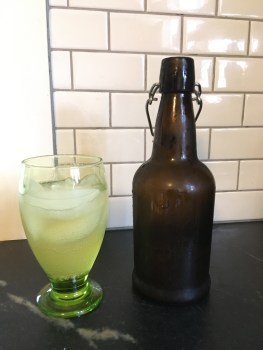
 Add two ounces of fruit juice (you can also add flavorings here too — ginger, vanilla, cinnamon, cardamom…) and fill each bottle with 12 ounces of the fermented liquid. Cap it and wait a day or so. It will carbonate, so you probably want to open the cap once every few hours to let it breathe. I have had explosions, but the bottles don’t break. I have had to use a mop and a sponge on the floor and on the cabinets (Yes, it looked like a kid’s science project on how to make a volcano, gone awry).
 I ordered my grains at
 the circle of life