This is a sermon I’ve been writing to myself. It may not apply to you. Just saying…
Silly me. I thought at my advanced age, lessons in life were already learned. I’m old enough now to be the one offering sage advice rather than stressing over just what this lesson is supposed to teach me.
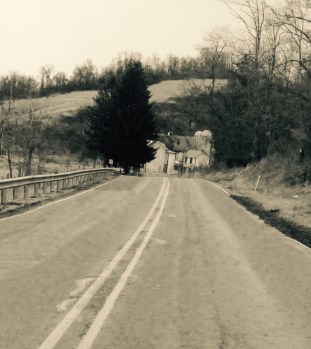 I know better than that really. The road we travel is never guaranteed to be smooth no matter how new or old your vehicle, no matter what season. It is the season of potholes after all.
And the journey we’re on is always guaranteed to teach us something–if only we pay attention to the curves. Interstates are boring after all.
But this one — it was tough. I was blindsided by it and maybe still haven’t recovered. So I’m writing my way through it and trying to see it through a mirror of objectivity, which might be an impossibility since mirrors are reflections of what we ourselves see.
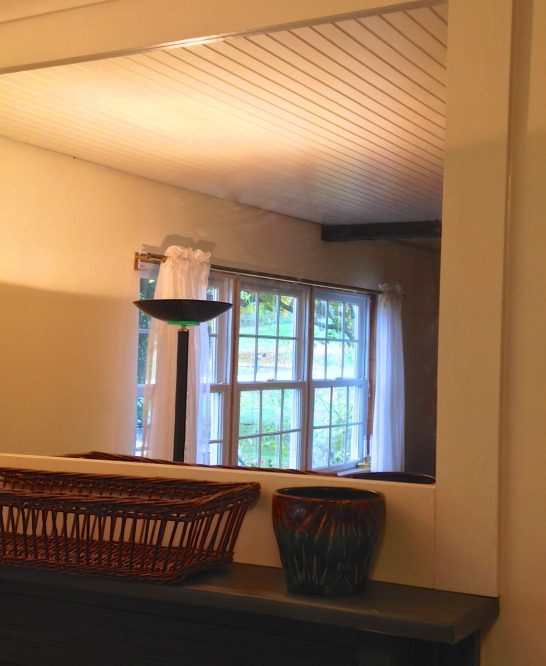
I try to believe the best of everyone. I try to be kind, and in turn, I think others should be kind. I try to deal with those who aren’t on a limited basis. Life is too short to be bothered by unkind people, don’t you think?
In February I took an online writing course. I was looking forward to it and eagerly did the first few assignments. And then…
The instructor sent me back a detailed critique. I wanted critique. Tell me that the scene didn’t work because the dialogue was unrealistic; tell me that there was too much description, not enough description, whatever specific critical analysis you’ve got. But don’t say general ugly words. When I read them, I was stunned. They had no purpose except to insult. I read them again. I was not only astonished that an instructor would write such things to a student, I was crushed.
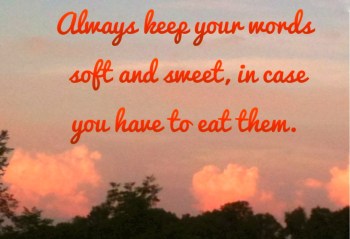 I know that I should not care what some unknown person wrote to me under the guise of criticism. But I did.
Suddenly I doubted whether I should even be writing. I had been praying for answers as to whether I should continue writing this already-overlong piece of fiction; perhaps this was the answer? I put down my pen and unplugged my keyboard. I didn’t open WordPress. I didn’t open Scrivener. Instead of writing on a blog, a fiction project, and a non-fiction project, I wrote nothing.
And during this six weeks of quiet, I rediscovered that I do need to write. The writing may never turn into a novel. It may never be published. Yet whatever our creative outlets are–writing, art, music, storytelling, sewing, gardening, woodworking–they are neglected at peril to our own well-being.
I have been trying to banish the fear and ugliness that instructor dumped on me. I don’t know why the words were so unpleasant, but I have used prayer to try to forget them. It isn’t easy for me to let things go; I’m a dweller. I dwell on what I should abandon and leave behind. Conveniently, the sermons at church these past few weeks have been walking us through the book of James, and I have listened with my heart to his apt words:

Consider it pure joy my brothers and sisters, whenever you face trials of many kinds, because you know the testing of your faith develops perseverance. Let perseverance finish its work so that you may be mature and complete, not lacking anything. –James 1:2-4 (NIV)
Trials of many kinds. That means trials of all sizes and extents — from the huge life-altering events to the smaller every-day grouches that throw off one’s plans for the hour, day, or week. And please note what perseverance does — it makes us mature and complete, not lacking anything. What would be without trials? Spoiled children, selfish and demanding, lacking character and wisdom. In just a few more verses, James tells us what will happen when we do persevere:
Blessed is the one who perseveres under trial because, having stood the test, that person will receive the crown of life that the Lord has promised to those who love him. — James 1:12 (NIV)
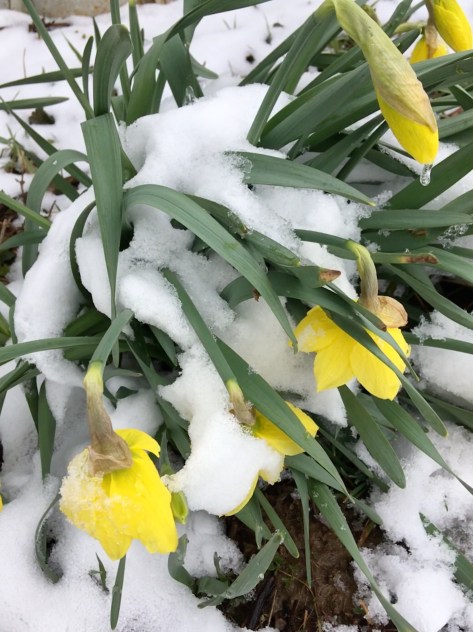
Having passed the test by not giving up, brings us God’s approval; not necessarily human approval, because human approval passes away with the seasons. It’s your fifteen minutes of fame, and pretty much only serves your pride; God’s view of our perseverance is like snow on daffodils– they droop in the snow, but when the sun comes out they stand taller and appear more golden than ever before. (Yes, there’s been a lot of snow on daffodils around here lately.)
That brings me to human approval. I’m guilty of wanting it. I’m guilty of being very unhappy when there is discord between humans I am close to. Heck, I’m even guilty of disliking it when people I don’t like dislike me. Or something I’ve done. Or something I’ve written.
But we can’t allow meanness or unkindness to win, and by dwelling on it, or taking it too seriously, we allow it too much power over our lives. By listening to churlish words, I allowed my own confidence to be shaken. I gave those words power.
Yet the truth is that words do have power, and if we read further in the book of James, he tells us that:
…the tongue is a small part of the body, but it makes great boasts. Consider what a great forest is set on fire by a small spark.The tongue also is a fire, a world of evil among the parts of the body. It corrupts the whole body, sets the whole course of one’s life on fire, and is itself set on fire by hell. All kinds of animals, birds, reptiles and sea creatures are being tamed and have been tamed by mankind, but no human being can tame the tongue. It is a restless evil, full of deadly poison. — James 3:5-8 (NIV)
James doesn’t mince words. Our tongues are small, but vile, and cannot be controlled; he compares our tongues to a fire that can set the entire forest ablaze. We’ve all set wildfires with words; just because I was on the burnt end this time, doesn’t mean I can forget the times when I lit the match.

There are several lessons here.
1) Don’t let others’ words or actions derail you from your own goals or make you lose confidence. Be not afraid.
2) Don’t dwell on it; move on. Know that your perseverance will bring you maturity and strength.
3) Aim to please God, not humans. Forgive the imperfect humans that surround you, for you too, are imperfect.
4) There will always be curves ahead and potholes in the road, no matter what season. This journey is a pilgrimage and the way we travel is the substance of our lives. The words we say, the kindnesses we do, the love we show–that’s what counts. Those potholes will always be there — the significance is in how we deal with them.
5) Pray. We aren’t meant to drive off into the sunset alone. 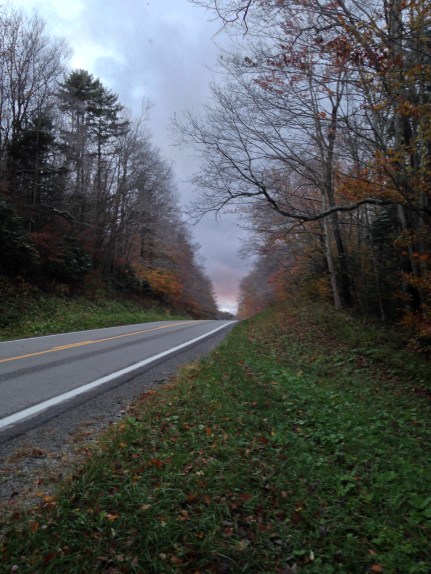

 It is a middle eastern spice blend; you can order it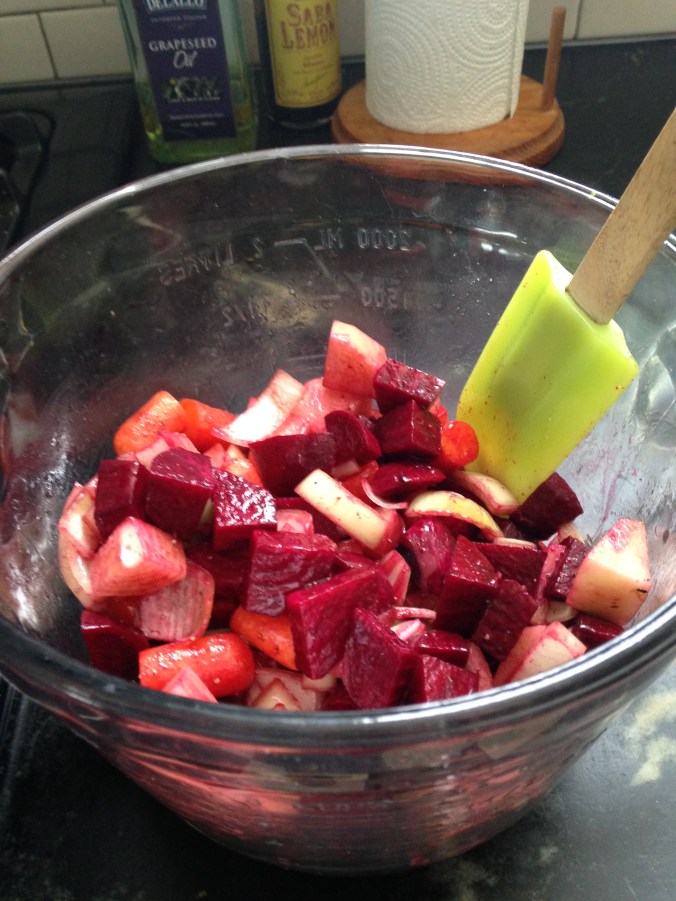

 Two years later, I was unemployed during one of the hottest summers ever, and I spent it in the air-conditioned public library. It was the summer that convinced me to go back to school and get a library science degree. It was the summer of reading. One of the first books I checked out was Middlemarch. I think I made it to about page 60, and then I put it down in favor of The Lord of the Rings.
 the circle of life